
Lenox House shares practical, down-to-earth guidance on british period property renovation and interiors for readers across the UK.
- 0123456789
- Angle Bd Abdelmoumen & rue soumaya, Résidence
- [email protected]
Lenox House shares practical, down-to-earth guidance on british period property renovation and interiors for readers across the UK.
 By Charlotte Pemberton
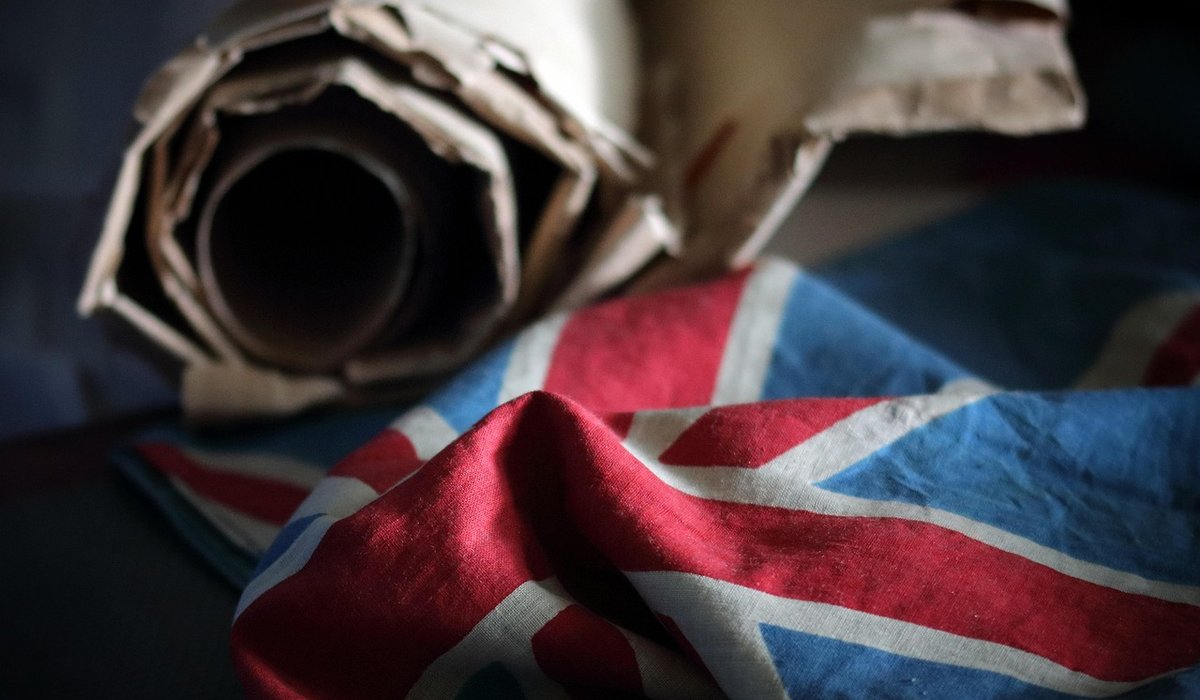
Period properties have a character all of their own — sash windows, cornicing, original floorboards — but they also come with challenges for family living. Draughty gaps, strong sunlight through large windows, and the constant traffic of children, pets, and muddy wellies can quickly take their toll on soft furnishings. Choosing the right fabric is not just about colour and pattern; it is about finding materials that can withstand everyday life whilst complementing the architecture you love. In a busy family living room, durability and comfort must go hand in hand.
Before you fall for a beautiful swatch, ask about its Martindale rub count. This industry-standard test measures how many rubs a fabric can endure before showing wear. For a family living room, look for at least 25,000 rubs — ideally 30,000 or more. Weave tightness matters too: a tightly woven fabric resists snagging from claws and toys better than a loose one. Natural fibres like wool and linen can be durable, but blends often perform better because they combine the best properties of each fibre. Always request a sample and rub it between your fingers; if it pills or feels flimsy, it will not last long on a sofa that sees daily use.
Wool is a superb choice for period homes. It is naturally stain-resistant, flame-retardant, and holds its shape beautifully. Its crimped fibres trap air, making it warm in winter and breathable in summer — ideal for a room with original sash windows. Wool also resists crushing, so cushions and seat pads bounce back after heavy use. However, pure wool can be expensive and may attract moths in undisturbed corners. A wool-blend upholstery fabric, often mixed with polyester or nylon, offers greater strength and easier cleaning. For a period look, consider a wool tweed or herringbone in a mid-tone; it hides marks better than pale plains and adds authentic texture.
Pure linen creases terribly and can wear thin at folds, which is not ideal for a family sofa. But a linen blend — typically 55% linen and 45% cotton or a small amount of synthetic — is a different story. It retains linen's relaxed, slightly slubby charm whilst gaining strength and resistance to fading. Linen blends are excellent for loose covers because they drape well and are easy to remove and wash. They feel cool in summer, which is a bonus in south-facing period rooms. Choose a medium-weight linen blend with a tight weave for the best balance of comfort and endurance. Avoid very light linens that show every spill and crease.
Traditional velvet was notoriously delicate, but modern performance velvets are a game-changer. Made from polyester or a polyester-cotton mix, they are treated to resist stains, fading, and abrasion. Many have rub counts exceeding 50,000, making them tougher than many cottons. They still feel sumptuous and look wonderful against period features like panelled walls or a marble fireplace. Look for a short, dense pile rather than a long, loose one — it is less likely to show footprints and vacuum marks. Performance velvets in deep jewel tones or warm neutrals can handle sticky fingers and pet hair with a quick brush. Just avoid silicone-based protectors, which can leave a residue.
Even the toughest fabric benefits from a removable cover. Loose covers with zip fastenings can be taken off and cleaned when the inevitable happens — a spilled glass of squash, a muddy paw print, or a crayon incident. Choose covers that are machine-washable at 30°C or can be professionally dry-cleaned. Rotate and flip cushions weekly to spread wear evenly. Blot spills immediately with a clean cloth; rubbing only pushes liquid deeper. Vacuum upholstery fortnightly using a brush attachment to lift dust and grit that abrades fibres. If your room gets strong sunlight, consider UV-resistant linings or blinds to prevent fading. Finally, keep a few throws and washable slipcovers on hand for high-traffic zones — they are your first line of defence.


We are not gonna make spamming
