
Lenox House shares practical, down-to-earth guidance on british period property renovation and interiors for readers across the UK.
- 0123456789
- Angle Bd Abdelmoumen & rue soumaya, Résidence
- [email protected]
Lenox House shares practical, down-to-earth guidance on british period property renovation and interiors for readers across the UK.
 By Eleanor Whitcombe
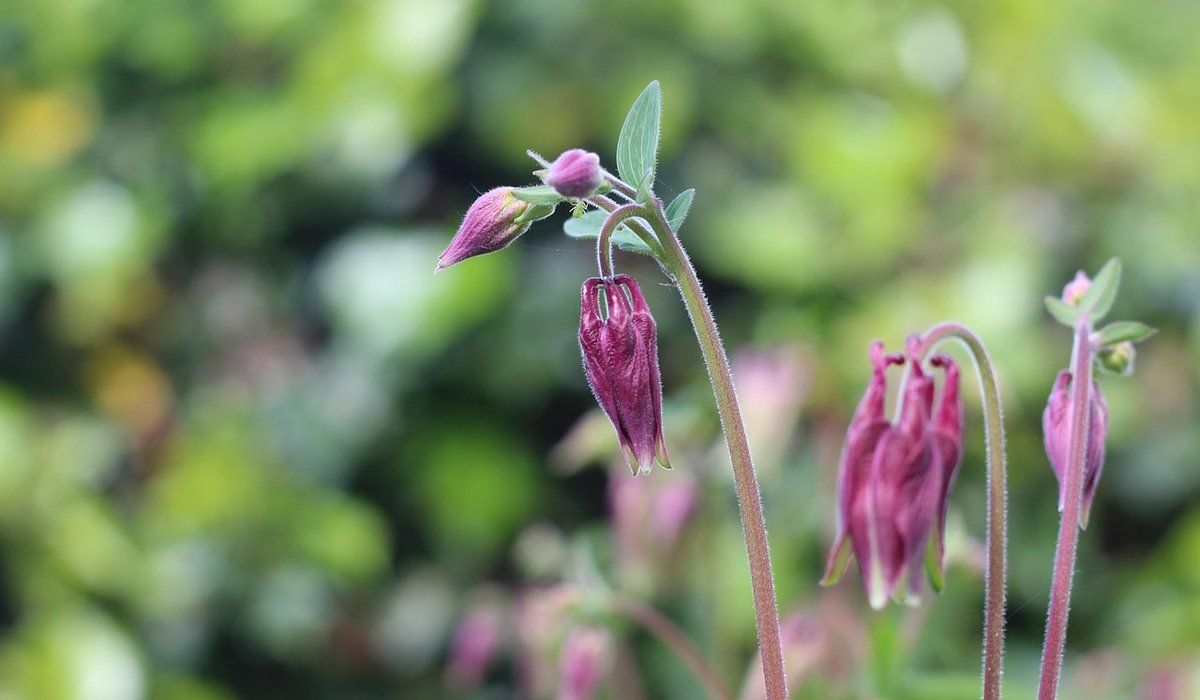
If you live in a period property, your outdoor space is more likely to be a courtyard than a country estate. A Victorian terrace with a narrow strip of garden, a Georgian townhouse with a walled yard, a cottage with a modest patch behind it — none of these are obstacles to wildlife. Small gardens warm up quickly, they're sheltered by surrounding walls and buildings, and they're full of the sort of nooks and crannies creatures love. The key is to think in layers rather than acres. You don't need a wildflower meadow or a pond the size of a tennis court. A handful of well-chosen plants, a dish of water and a modest pile of logs will do more than you might imagine.
Native and near-native plants are the backbone of any wildlife garden. They've evolved alongside our insects, offering the right nectar, pollen, seeds and leaves at the right times. They're also better suited to British weather, so they need far less fussing.
In a small space, choose plants that work hard:
Leave seedheads standing over winter. Teasels, sunflowers and globe thistles feed goldfinches when little else is available, and they look wonderful against a frosty morning.
Water is the single most valuable thing you can add to a small garden. Birds need it for drinking and bathing, bees need it for drinking, and hedgehogs need it for both. A shallow dish — an old ceramic baking tin, a glazed pot saucer, or a dedicated birdbath — is all you need.
Place it somewhere sheltered, ideally near a shrub or wall so birds feel safe approaching. Put a few stones in the middle so bees and hedgehogs can climb out if they fall in. Change the water every day or two in warm weather, and give it a scrub now and then to prevent algae.
If you have room for something larger, a half-barrel or a small pre-formed pond will bring frogs, damselflies and perhaps a newt. Even a buried washing-up bowl will do, as long as there's a way in and out.
Period gardens often come with a certain formality — clipped edges, neat gravel, symmetrical planting. That's part of their charm, and you don't have to abandon it. But leaving one or two corners a little wild is a gift to wildlife.
A log pile is the classic. Stack a few untreated logs, ideally with bark still on, in a quiet corner. As they rot, they'll support beetles, fungi, solitary bees and maybe a hedgehog looking for a safe place to sleep. Six or eight logs will do. Add fallen leaves around the base and resist the urge to tidy them away.
Leaf litter is underrated. Hedgehogs, frogs and insects use it for shelter and foraging. Leave a patch under a shrub or behind a border — it's free mulch, so your soil benefits too. If you have a compost heap, keep it: it's a habitat as much as a utility.
You don't need to redesign the whole garden. A few targeted additions can transform its value for wildlife.
A bat box on a south-facing wall is a lovely addition if you have the space. Bats are declining in the UK, and a well-placed box can make a real difference.
The good news is that wildlife gardening and period aesthetics are not in conflict. A gravel path with thyme creeping through it looks charming and feeds bees. A weathered stone trough filled with water is both a design feature and a lifeline. Climbing roses, wisteria and old-fashioned cottage plants all support pollinators while suiting the architecture.
The trick is to be deliberate rather than scruffy. Choose a few native or near-native plants and let them do their thing. Add water. Leave a corner untidy. Keep the rest of the garden in the style you love.
Over time, you'll notice the difference — more bees on a warm afternoon, birds queuing for the water dish, perhaps a hedgehog rustling through the leaf litter at dusk. Small gardens can be extraordinarily rich places. They simply need a little encouragement.


We are not gonna make spamming
